

AMD wants a stronger position in the next phase of AI. Fei-Fei Li’s World Labs needs room to pursue expensive research while the market for world models takes shape. Their proposed deal brings those ambitions together.
01 · Tech News
Follow the AI industry.
189 reports following 66 companies and partnerships from model release to physical deployment.
All Tech News
Browse every report, including the current lead.
Tag: Deep Dives
52 articles · By source / event date · Page 2 of 3
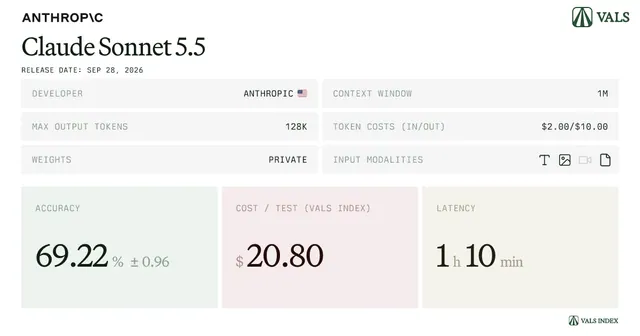
Anthropic’s system card describes a Claude Code run at max effort; Vals AI used Terminus 2. The gap is real, but these runs cannot explain its cause or tell a team which setup will work in its own coding workflow.
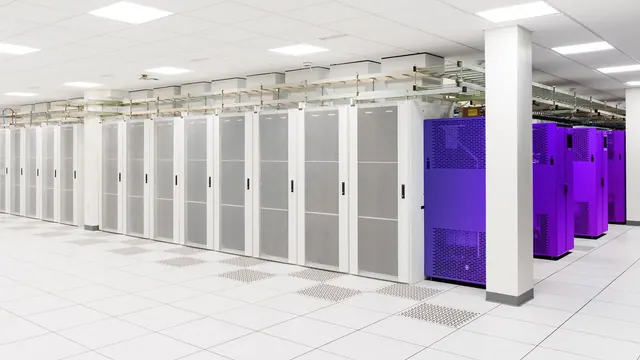
Anthropic’s seven-year cloud commitment is a strong signal of demand for CPU capacity. Its value, though, depends on a less dramatic milestone: Akamai must deliver available infrastructure before most of the projected revenue arrives.
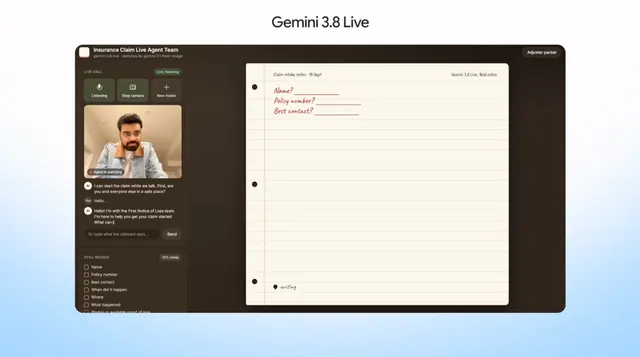
Google has made a live video avatar available to Gemini Enterprise customers. The capacity model is unusually concrete; evidence that a face improves service outcomes is not.

Meta’s confidential-computing design could make cloud inference harder for the company itself to inspect. That is meaningful protection for data in computation, but it does not answer the privacy questions that begin before a request reaches the server.
OpenAI and Anthropic cut API rates on September 22, but cheaper tokens do not automatically make a completed agent task cheaper. I read the price cuts as a lower ceiling on a bill—not an efficiency verdict—until teams compare cost, success, caching and retries on the same work.

OpenAI paused new ChatGPT Pro 20X sales one week after GPT-6 Astra launched, then restored a one-time path for some former subscribers. The sequence shows how a subscription tier can become a tool for rationing scarce model capacity.

A slightly sharper model is an ephemeral advantage; the enduring prize is the living record of a person's unfinished tasks, verified authorizations, and accumulated life patterns. As companies race to run our errands, whoever manages our daily context will command our highest switching costs.
Anthropic wants Claude to finish the memo, not just brainstorm it. But turning an AI reasoning loop into a corporate file cabinet requires solving the unglamorous mechanics of enterprise governance.
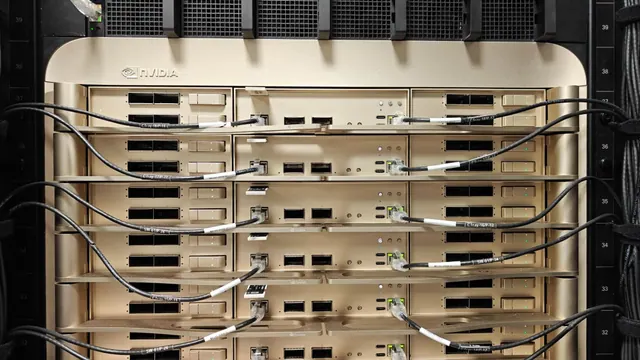
NVIDIA’s MLPerf Inference v6.1 preview numbers for the Vera Rubin NVL72 show impressive throughput gains on reasoning and multimodal workloads. But treating a tuned, rack-scale benchmark as a finished total-cost-of-ownership argument ignores the power, price, delivery, and utilization realities that enterprise infrastructure requires.
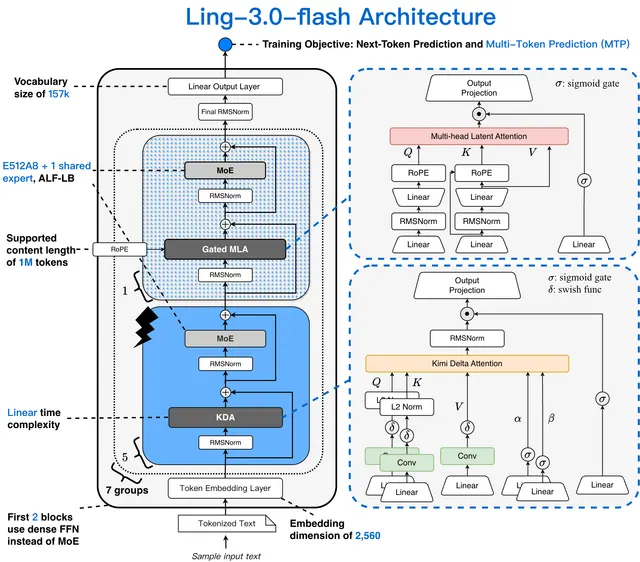
Ling 3.0 Flash Fin can retrieve, reason and edit spreadsheets. Its real test is whether a human can trace every number after the model is done.
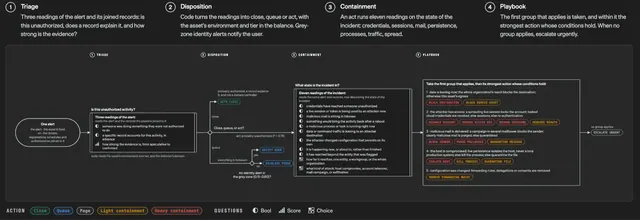
TypeSafe’s new model refuses to write. That limitation may make it useful inside software—but a typed answer can still be confidently wrong.

Superhuman’s acquisition of Fathom is not an admission that transcription models are hard to wrap. It is a calculated bet that downstream agents cannot act safely without the conversational record where intent turns into an obligation.

The reported return of selected managers inside Meta’s Applied AI group is not proof that flattening failed. It is a reminder that making more work, faster, creates an integration problem of its own.

Astra is not generating the movie. It is making the rough 3D scene that gives a video model less room to forget where everything is.
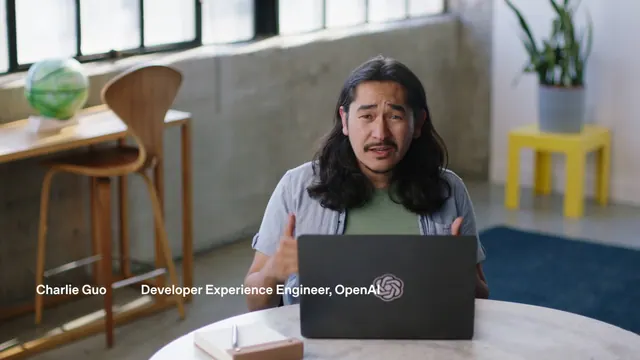
OpenAI's Agents API packages the operational plumbing of autonomous execution into a managed service. But while delegating the loop saves engineering hours, it leaves the boundaries, authorization, and proof of work entirely on the developer's desk.
DeepSeek’s compression of active key-value memory attacks a real cost center of long-context agents. But shrinking memory per token does not remove the difficulty of operating its very large composite model.

Mistral’s record Series D purchases computing capacity, enterprise runway, and a pivot down the infrastructure stack. It does not buy automatic independence from foreign silicon or resolve the tension between building frontier models and operating European cloud services.
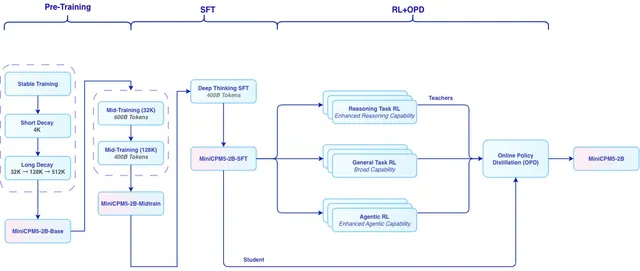
MiniCPM5-2B is not a frontier model squeezed into a phone. It is a useful new routing layer—if products let it decline the jobs it cannot do.
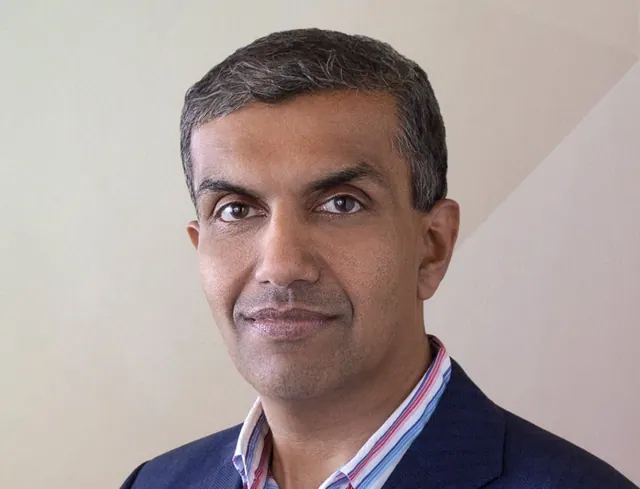
A CEO appointment is also a product decision. By choosing Anil Chakravarthy, Adobe appears to be betting that its most durable advantage lies in enterprise data and workflow—not in owning every creative act.