

Meta’s Conductor deal and OpenAI’s planned Pierre acquisition reach into the work surrounding code generation. GitHub is moving there too. The useful competition is over how easily people can understand, verify and maintain what agents produce.
01 · Tech News
Follow the AI industry.
189 reports following 66 companies and partnerships from model release to physical deployment.
All Tech News
Browse every report, including the current lead.
Tag: Deep Dives
52 articles · By source / event date · Page 1 of 3
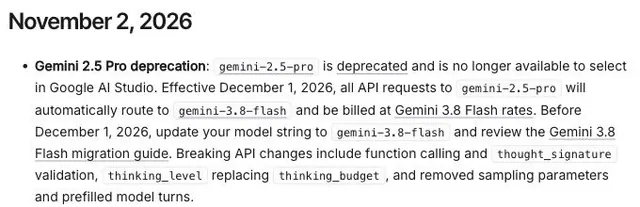
Google plans to redirect Gemini 2.5 API requests on December 1. Developers still need to check request compatibility, unfinished conversations and the prices that apply after the switch.
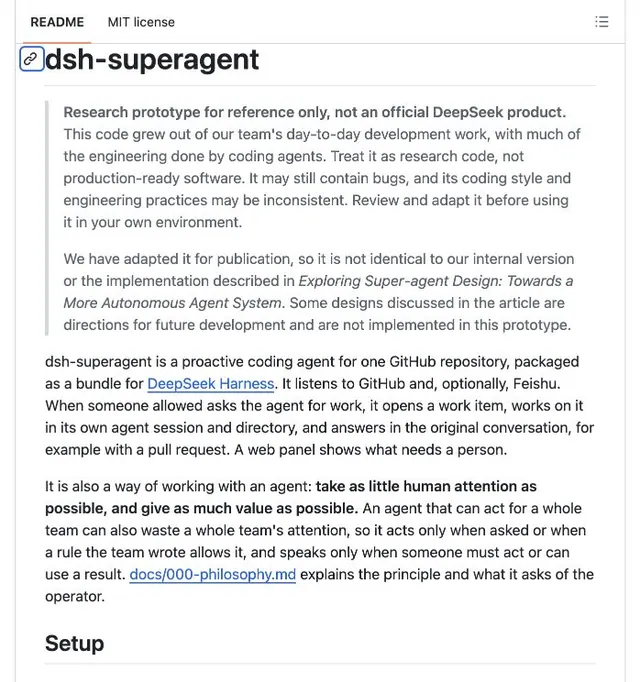
DeepSeek’s Super-agent research prototype tries to reduce the reminders and handoffs around software work. Individuals can try it, but someone must deploy and supervise it first.
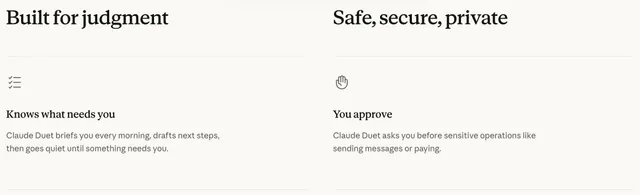
Anthropic’s new background assistant shares your Claude allowance and still needs your judgment. The useful question is which work it can take off your mind.
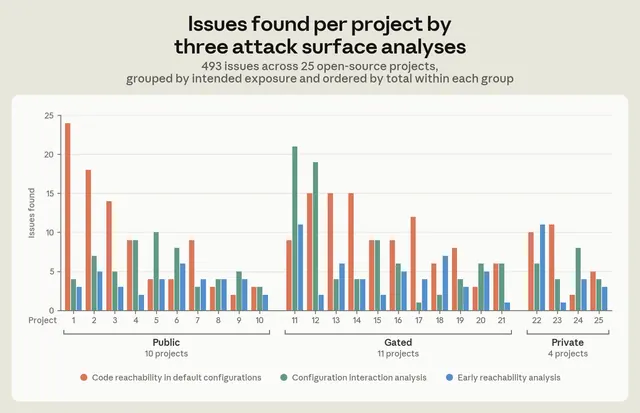
Anthropic’s security research has a concrete outcome in a widely used server. For teams trying AI audits, the useful question is whether a proposed change closes an unnecessary path while preserving the work the software must do.
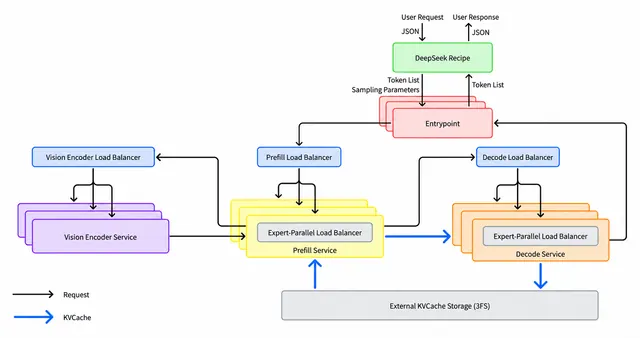
DeepInfer gives developers a closer look at how DeepSeek serves its models. The decision to operate it depends on hardware, the missing service components and the workload that has to pay for them.
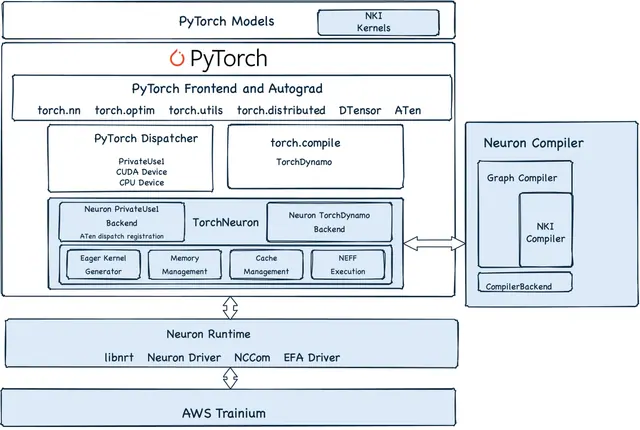
TorchNeuron gives PyTorch developers a familiar route onto Amazon’s AI chips. Library support, compilation waits and the cost of a complete job decide whether that route is worth taking.
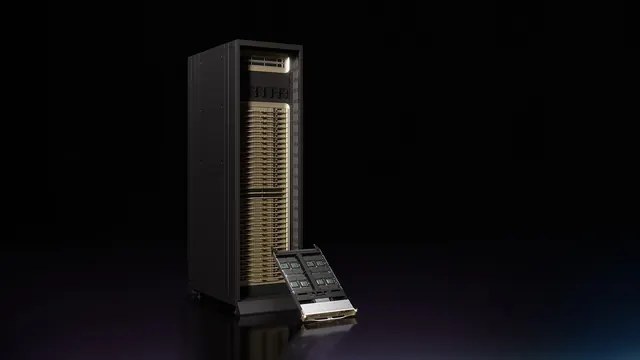
The cloud platform is testing a way to keep AI agents from waiting on the computers that execute their commands. Better hardware still has to become a better service for customers.

MacBook Pro can cost less at 64GB, but RTX Spark has a credible AI performance lead in early matched tests. Personal buyers need to compare actual configurations, rather than platform slogans.
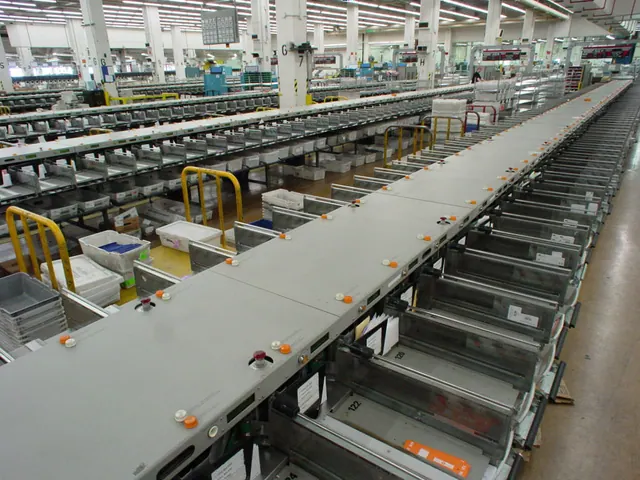
Jev research shows why choosing an AI filter takes more than a leaderboard. Follow one customer-service email to see what a useful test should check.
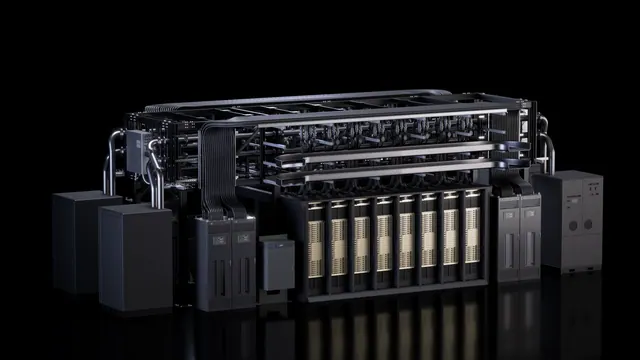
Shared interfaces can give equipment makers a common target and buyers more options. The useful test is whether a specific replacement works in a supported system.

Existing Cursor users who rely on Claude or GPT have good reasons to keep their old plan. The new bundle is more interesting for people who want an assistant to keep working across their apps.
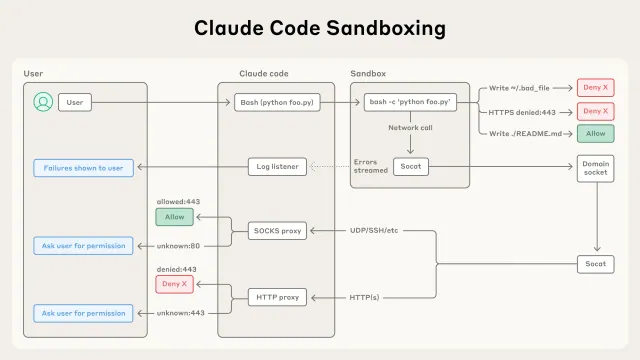
Anthropic's internet pause follows months of failures at both labs. Their safety claims deserve scrutiny that keeps responsibility with people and treats AI as a tool.
Deno made developing and hosting applications easier. Its sale reveals the work behind that convenience, gives Cloudflare a team for a known product gap, and leaves customers facing different transition deadlines.
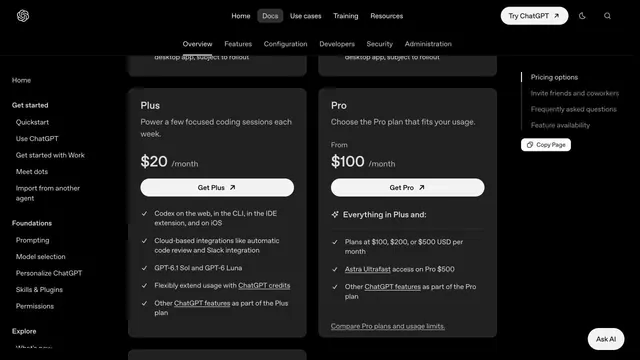
OpenAI has delivered improvements and a usage reset. Its next test is whether Pro subscribers can still plan their work as older allowances expire on October 29.
Google’s new embedder can search across text, images, video and audio on local hardware. Its compression options expose a harder product decision: how much space to save before losing the searches users came for.
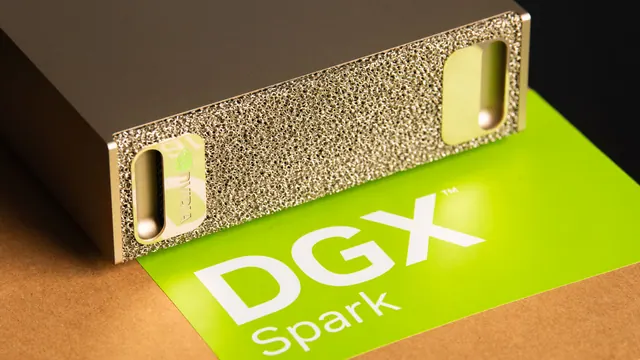
The new 64GB configuration starts $1,000 above the original 128GB model's launch price. Persistent memory shortages make that compromise understandable—and make a discretionary purchase harder to recommend.
The proposed acquisition gives Supabase a way to serve large numbers of small agent databases alongside its Postgres business. Keeping idle projects affordable is the immediate opportunity. The harder test is giving customers a reason to keep building on the platform.
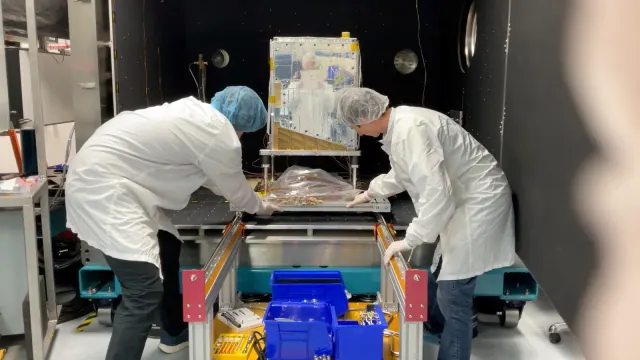
Suncatcher's four-chip prototype tests whether Google's hardware can survive in orbit. The stronger commercial test is whether processing satellite imagery before downlink saves enough time and bandwidth to justify dedicated machines—and what observations are lost when an algorithm decides what stays behind.

Customers are committing cash and future purchases to secure memory supply. The agreements give Micron more confidence to expand, while leaving it responsible for turning investment into working factories.